

The Oella Country Store is a Community Gathering Place in Oella
By Julie Baughman
Apr 03, 2013 at 1:17 pm
:quality(70)/arc-anglerfish-arc2-prod-tronc.s3.amazonaws.com/public/Y4Z3VXRXJNEQDDIRTAW7RLTYTY.jpg)
With “The Price is Right” on television in the background, and the sounds and smells of bacon crackling in the air, the regulars gather for breakfast at the Oella Country Corner Store on Oella Avenue.
It’s a scene repeated nearly every weekday morning in the small store that celebrated its 100th anniversary last year.
Store owner Jay Patel is proud of the community gathering place he’s created. It’s a far cry from the days when the town of Oella had no indoor plumbing and the Country Corner Store was known for hosting what resident, and corner store regular, Larry Rockenbaugh, called, “a lot of riff raff.”
Patel arrived in Oella in 1982 in a taxi cab with his 9-month-old son in his arms.
Searching for a spot to open a business, he was shocked by what he found in the small community nestled between Catonsville and the Howard County border.
“I came up from Ellicott City, and I see all the outhouses and kids taking showers outside,” Patel said.
“People were sitting outside (the store) smoking at 9 o’clock in the morning,” he said.
Rockenbaugh said kids and teenagers used to loiter outside the store all day drinking and smoking.
Their presence was a powerful deterrent for community members who might have otherwise gone into the store.
Since Patel took ownership of the store on July 9, 1983, the store’s atmosphere has taken a 180-degree turn.
“A year or so after Jay got it, he cleaned it up. He came in like Wyatt Earp and cleaned it up.”
Larry Rockenbaugh
Patel now stores the cigarettes in the back of the store, hidden beneath a stack of T-shirts in a filing cabinet in the store’s back office, away from the register.
Closer to the counter is the store’s fully functioning kitchen, which gives the establishment the feel of a diner. There he makes subs, sandwiches and breakfast food for customers.
After his wife died from a stroke four years ago, Patel restructured his menu to exclude salt in an effort to save his customers from a similar fate.
As one might expect in a general store, there is a variety of grocery products, ranging from canned soups to bread to candy.
Patel is proud of the partnership he’s created with the J.W. Treuth slaughterhouse down the street. The wholesale butcher shop, an area destination for decades, provides his store with fresh meat every morning. In turn, he provides their employees with some of his popular burgers.
“Most important thing is, holy cow, the cheeseburgers,” Patel said. “It melts like a chocolate in your mouth.”
However, the road to success has not been easy.
The first six months after Patel took over the store were, “rough and tough,” he said.
“It was scary. It was long hours from 7 in the morning to 10 p.m. at night,” said Patel, who was shot by two men trying to rob his store in 1992.
But now he’s got it down to a science.
“I saw the potential of the town. There were some good things where I could make my living. It took time to get used to the locals, and the people and what they needed.”
Jay Patel
He is known around Oella as “The Mayor,” because of the impact he has had there.
Every inch of wall space in the store is covered with photos of residents, drawings and paintings by their children and memorabilia from the town.
In the store Rockenbaugh and the other regulars gather to eat, talk and reminisce.
“It’s a place we can congregate and socialize,” he said.
“We come in here and B.S. all the time,” said Jack Cofiell, another regular.
Patel often leaves Cofiell, Rockenbaugh and the other regulars in the store while he does his afternoon shopping and banking.
“He trusts all of us. Jay, sometimes he’ll go shopping around 2 or 3 (p.m.), and we leave the store at 4 (p.m.) and lock the door and go.”
Jack Cofiell
Patel is thrilled with the success the store has seen and hopes to continue providing a gathering place for the community.
“What I had in my mind finally worked out like I wanted to after all these 31 years,” he said.
(SOURCE: The Baltimore Sun. No copyright infringement intended.)
Oella History: Modernization, Including Plumbing, Came Slowly
The historic “mill town” still has a strong sense of community.
BY Meg Tipper
On Monday night in the lecture hall at the Charlestown Retirement Community, the annual meeting of the Catonsville Historical Society featured Jadish “Jay” Patel’s lecture about his favorite subject: his adopted home of Oella, its history and its relationship to the Patapsco River.
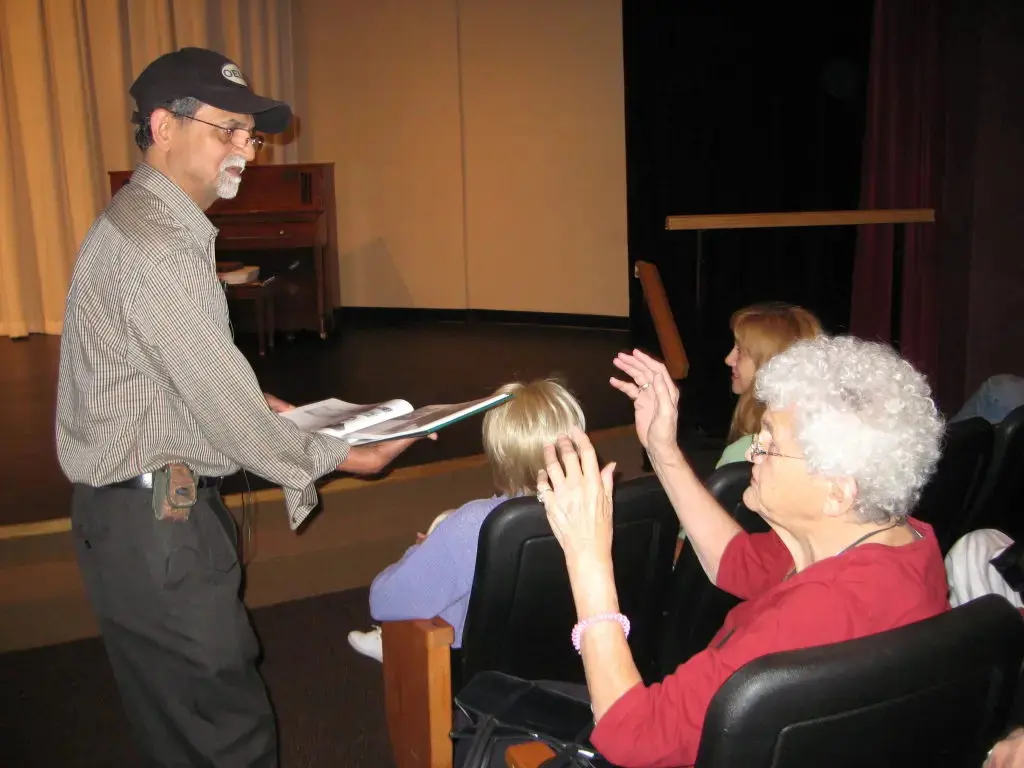
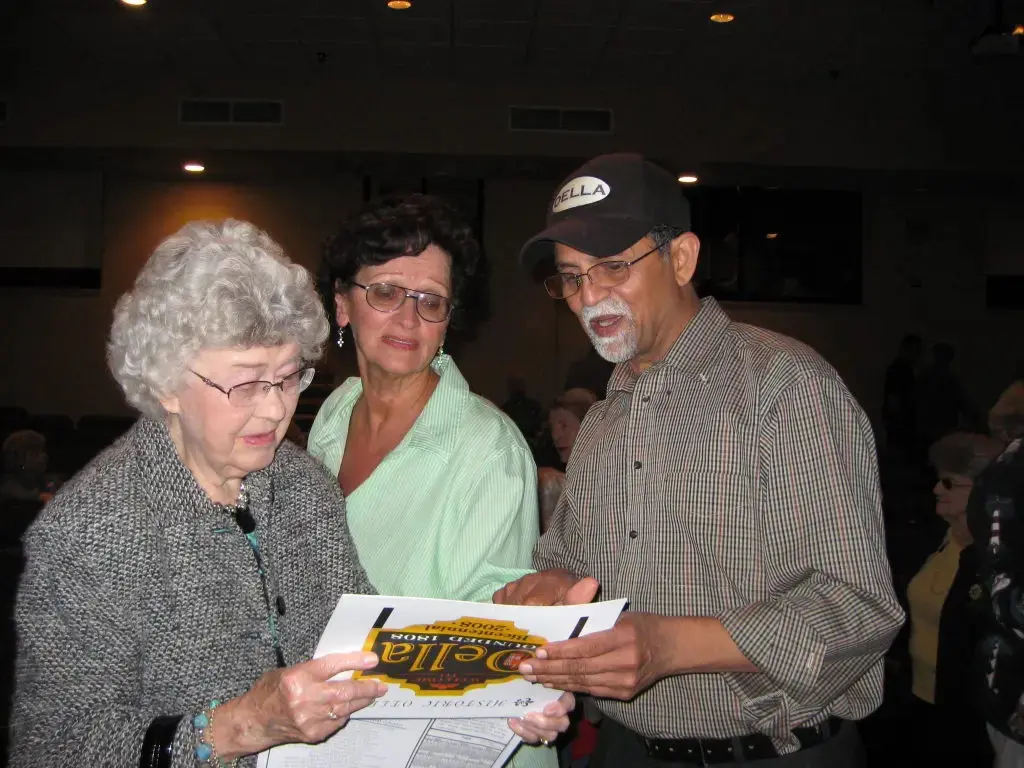
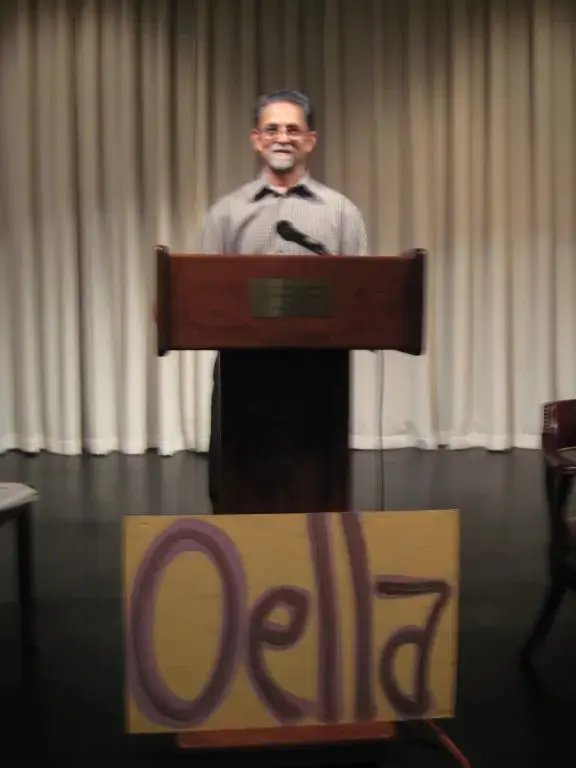
Jay is the owner and proprietor of Jay’s Country Corner Store, located at the corner of Oella Avenue and Westchester Avenue. He bought the property in 1983, attracted by…outhouses.
When I was a boy in India, we didn’t have outdoor toilets. When my family moved to Uganda, we used outhouses. As a young man in Singapore, I used outhouses. When I finally came to Oella in 1983 and saw all the outhouses, I knew I was home.
Jay Patel
Because Oella was a company town, with almost all property and services owned by the mill, it was not until 1976, after the Oella Mill had closed that Baltimore County began a $3.1 million dollar modernization plan, Patel said. The last of the plumbing was in place by 1984.
Now, Patel claims, the old outhouses have become collectors’ items, with people paying hundreds of dollars to move them and place them in their backyards for souvenirs.
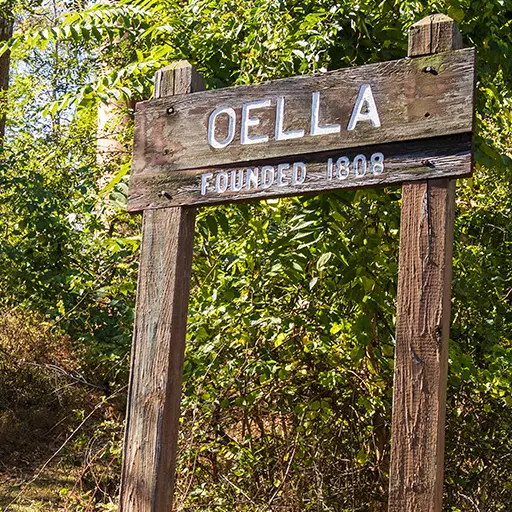
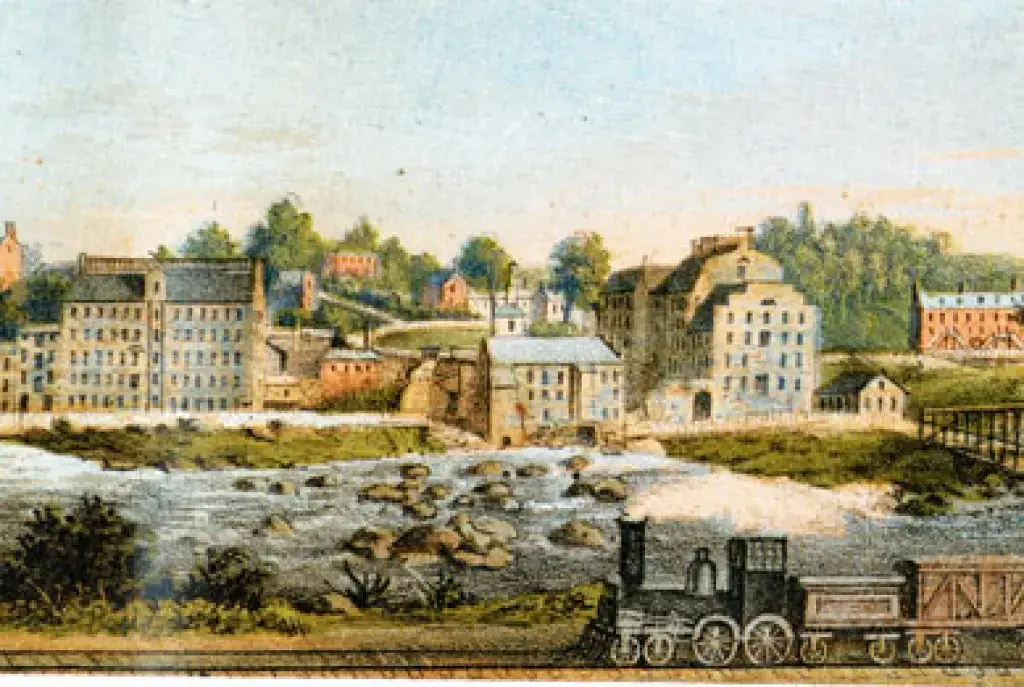
The mill which was and still is at the center of life in Oella came into existence because of the proximity of the Patapsco River. In 1808, the Union Manufacturing Company purchased over 800 acres along the Patapsco River, and in 1811, they patented the name of “Oella.” Legend has it that the name came from the first woman to spin cotton in the Americas.
The Union Mill, later named the Oella Mill, literally owned the town. It was not only the principal employer, it built and rented out the housing. Over time, the village came to include a general store, the building now owned by Patel, which was built in 1912, three churches and a social hall. Today it is the old Westchester School, which served Oella’s children from 1924-1977, which functions as the Community Center. The town leases the building from the Baltimore County Public Schools for $1 a year, and the center hosts all kinds of meetings, from Irish dancing to yoga, and functions in many ways, from a church to a day care center.
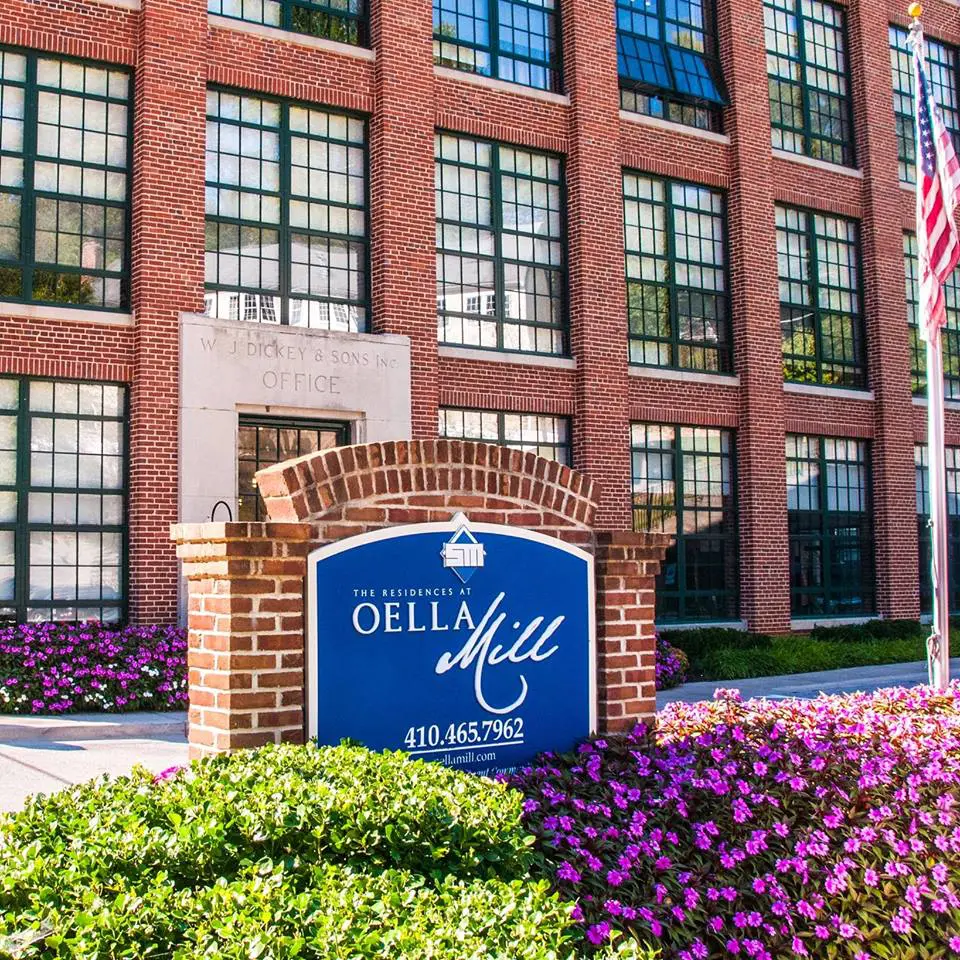
The mill evolved as a business with its ups and downs according to demand for textiles, mainly cotton and wool. In the early 19th Century, there were as many as 300 employees, and the Union Mill was one of the largest textile manufacturers in the country. During World War II, the mill was busy making army blankets. The Oella Mill ceased operating in 1972. In the 70s and 80s some space in the old mill building was rented to local artists and antique dealers. Today it houses 147 apartments in the Residences at Oella Mill.
One of the many things Patel loves about Oella is hearing the train whistle at night as CSX trains still carry freight on the old Baltimore and Ohio rail line along the Patapsco River bed. This rail line between Baltimore and Ellicott City was the first railroad in the country.
Patel welcomed everyone to explore his historic village and appreciate its changes and resilience, to visit his old fashioned country store and to take a walk along the beautiful No. 9 Trolley Trail which passes through Oella.
(SOURCE: Patch.com. No copyright infringement intended.)

Leave a Reply